What Is Biomimetic Skincare? (And Why It Works Better)
Most moisturizers work by sitting on top of your skin. They form a film, trap some moisture, and call it a day. Biomimetic skincare takes a fundamentally different approach: instead of layering something foreign onto your skin, it works with your skin's own biology. The results tend to be noticeably different — and the science behind why is worth understanding.
What Does "Biomimetic" Mean?
"Biomimetic" comes from the Greek bios (life) and mimesis (imitation). In skincare, it refers to ingredients and formulas that mimic the structures, molecules, and processes that already exist in your skin.
Your skin isn't passive. It's a dynamic, self-regulating organ with its own lipid matrix, signaling molecules, structural proteins, and repair mechanisms. Biomimetic skincare is designed to speak that language — to deliver ingredients your skin already recognizes and knows how to use.
Biomimetic vs. Conventional Skincare Ingredients
The difference becomes clearest when you compare specific ingredients side by side.
Ceramides vs. Silicones
Silicones (dimethicone, cyclopentasiloxane) are common in conventional moisturizers because they create a smooth, occlusive film on the skin's surface. They feel good and reduce water loss temporarily — but they're not found anywhere in human skin. Your skin can't integrate them or use them to rebuild.
Ceramides, by contrast, are a core structural component of your skin barrier. They make up roughly 50% of the lipids in the stratum corneum. When you apply topical ceramides, your skin can incorporate them directly into the lipid matrix — actually repairing the barrier rather than just coating it.
Peptides vs. Fragrance Fillers
Many conventional skincare products are padded with fragrance, colorants, and stabilizers that serve the product's aesthetics but do nothing for your skin — and often irritate it. Peptides are the opposite: short chains of amino acids that function as biological signals, telling your skin cells to produce ceramides, collagen, and other structural proteins. They're ingredients with a job to do.
Tallow vs. Petroleum-Derived Occlusives
Petrolatum (petroleum jelly) is one of the most common occlusive ingredients in conventional skincare. It's effective at sealing moisture in, but it's entirely foreign to human biology — a byproduct of petroleum refining with no structural relationship to skin lipids.
Tallow — rendered animal fat — has a fatty acid profile that closely mirrors human sebum. It contains oleic acid, palmitic acid, stearic acid, and fat-soluble vitamins (A, D, E, K) in ratios your skin recognizes. It's one of the most biomimetically appropriate occlusive ingredients available.
How Biomimetic Formulas Interact With the Skin Barrier
The skin barrier is a lipid structure. It's built from ceramides, fatty acids, and cholesterol arranged in a precise lamellar (layered) pattern. When this structure is intact, skin is resilient, hydrated, and calm. When it's disrupted — by over-cleansing, harsh actives, environmental stress, or aging — the barrier becomes permeable and reactive.
Conventional moisturizers address this by adding a layer on top. Biomimetic formulas address it by providing the raw materials the barrier is actually made of — lipids in the right ratios, humectants that work with the skin's natural moisturizing factors, and peptides that signal repair at the cellular level.
The distinction matters most for people with sensitive, reactive, or chronically dry skin — conditions that are almost always rooted in barrier dysfunction.
What to Look for in a Biomimetic Product
When evaluating whether a product is genuinely biomimetic (rather than just using the word as marketing), look for:
- Ceramides — ideally multiple types (ceramide NP, AP, EOP) to match the skin's natural ceramide profile
- A balanced lipid complex — ceramides, fatty acids, and cholesterol together, not just one in isolation
- Signaling peptides — ingredients that communicate with skin cells rather than just sitting on the surface
- Biologically compatible occlusives — tallow, squalane, or other lipids with structural similarity to skin sebum
- No fragrance — fragrance has no biological role in skin and commonly triggers inflammation
- Minimal filler ingredients — every ingredient should have a functional reason to be there
Pretty Good's Approach
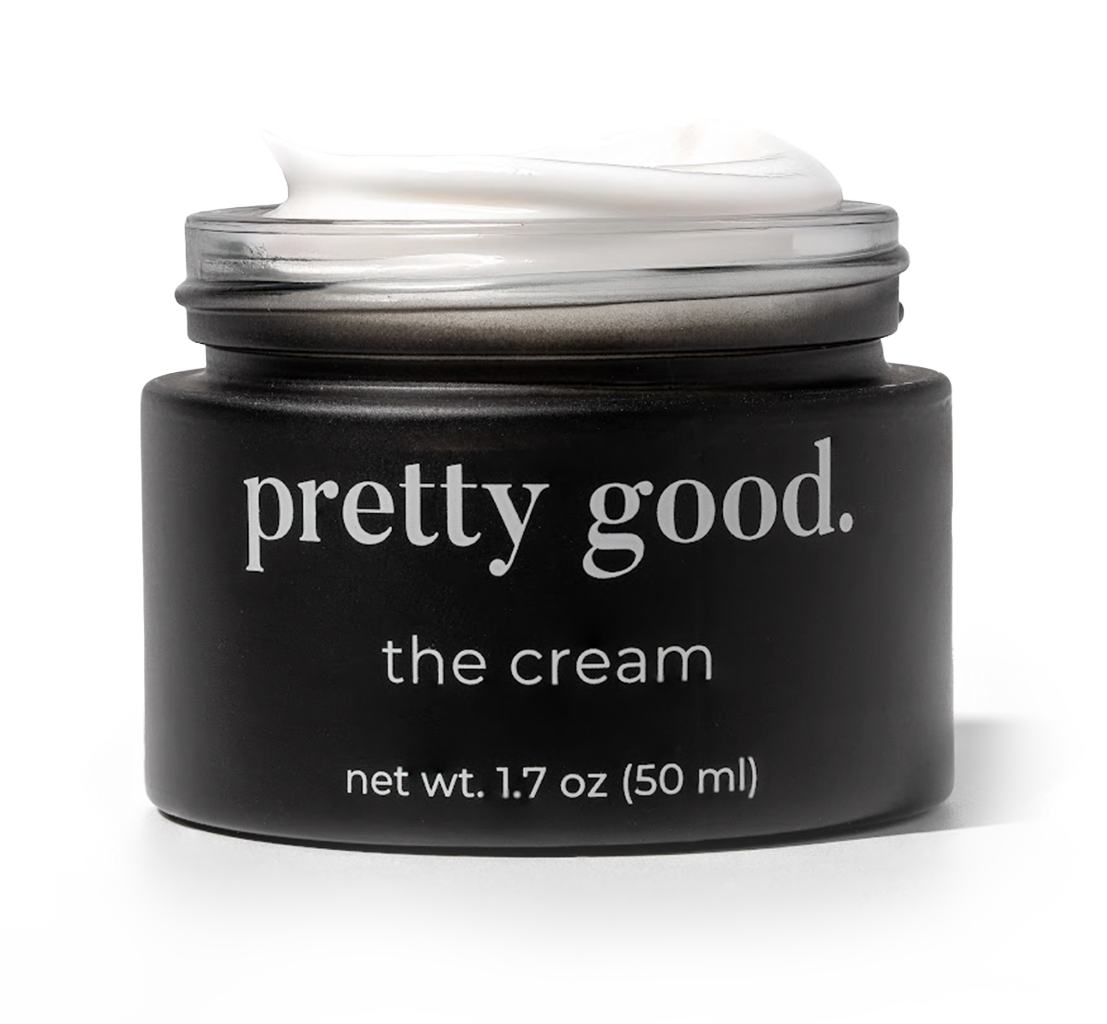
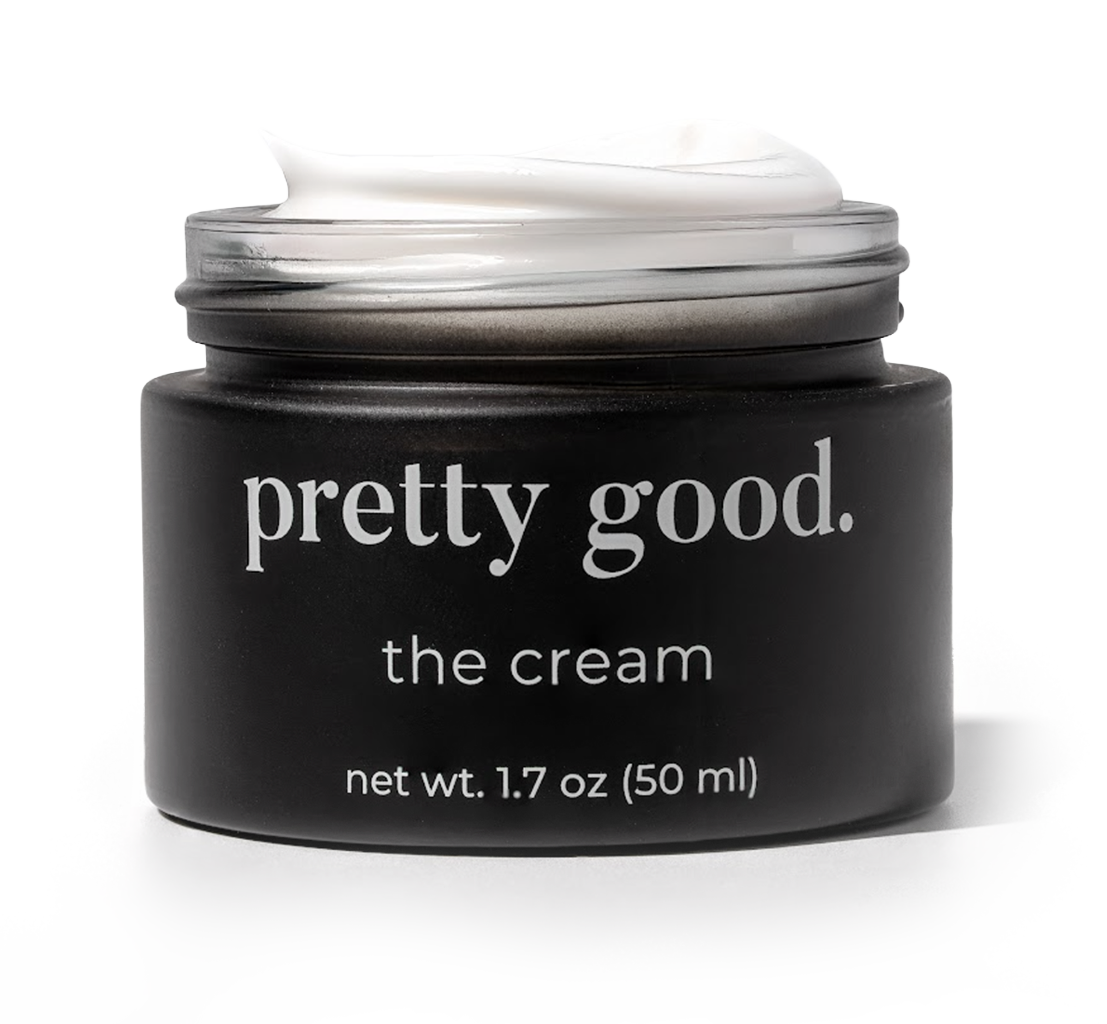
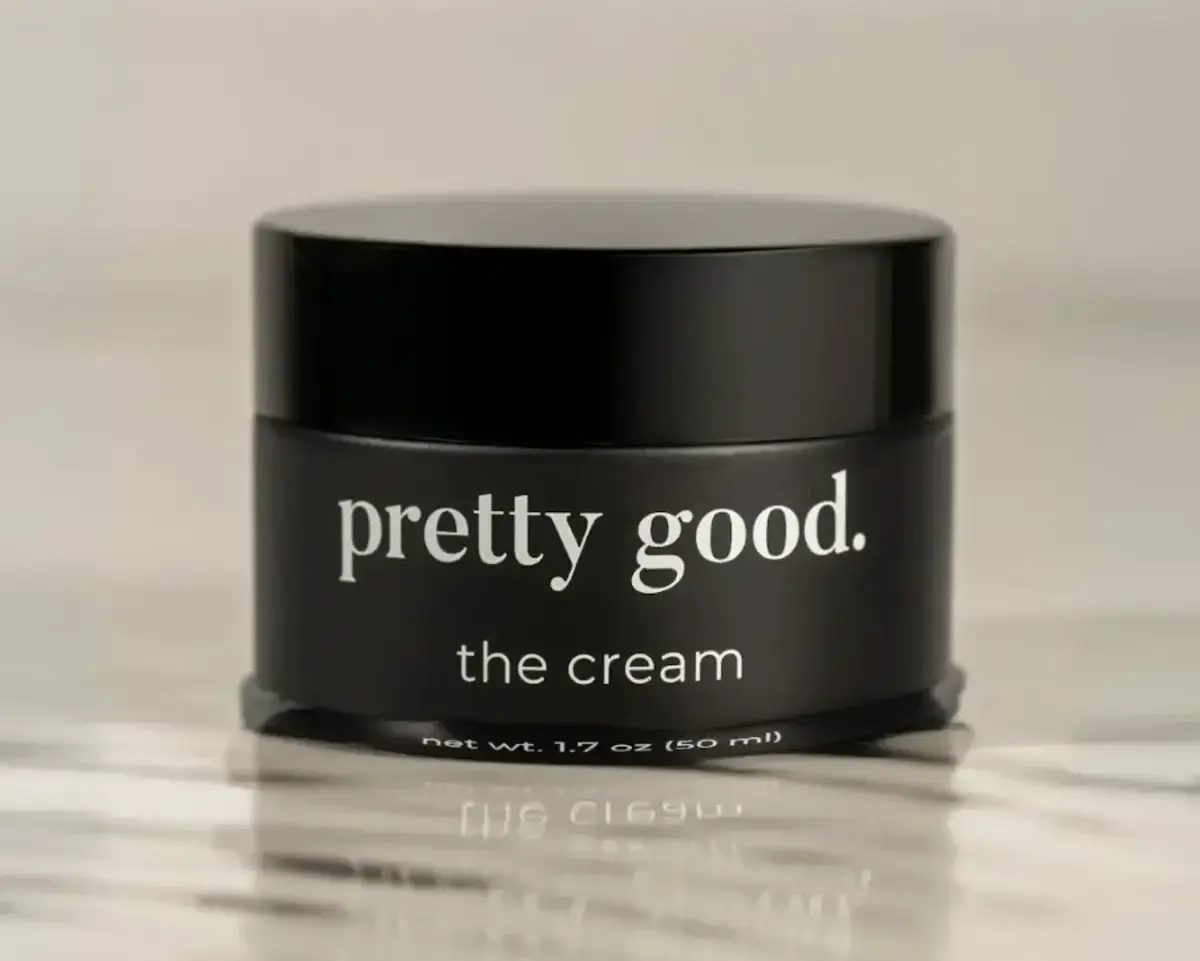
the cream was built on biomimetic principles from the ground up. Every ingredient has a biological role: tallow provides a lipid base that mirrors sebum, ceramides rebuild the barrier's structural matrix, peptides signal the skin's own repair processes, and humectants support the skin's natural moisturizing factors.
There's no fragrance, no filler, no ingredients that are there to make the formula feel or smell a certain way at the expense of function. It's a complete biomimetic barrier repair system — formulated to restore and maintain skin barrier function rather than just mask its symptoms.
If you're new to biomimetic skincare, the cream is a straightforward place to start.
Frequently Asked Questions
Is biomimetic skincare better for sensitive skin?
Generally yes — because biomimetic ingredients are structurally familiar to the skin, they're less likely to trigger reactivity than synthetic or foreign ingredients. Sensitive skin is often a sign of barrier dysfunction, which biomimetic formulas are specifically designed to address.
Is biomimetic skincare the same as natural skincare?
Not exactly. Biomimetic skincare is defined by biological compatibility, not by whether ingredients are naturally derived. Some biomimetic ingredients (like certain peptides) are synthesized in a lab. The question isn't "is it natural?" but "does it work with the skin's biology?"
Can biomimetic skincare replace my whole routine?
For many people, a well-formulated biomimetic barrier cream can simplify a multi-step routine into one or two products. If your skin is reactive or over-treated, consolidating to a single biomimetic formula and letting your barrier recover is often more effective than layering multiple products.
What's the difference between biomimetic and "clean" beauty?
"Clean" beauty typically refers to avoiding certain synthetic or potentially harmful ingredients. Biomimetic skincare is about biological function — using ingredients that work with the skin's own systems. The two can overlap, but they're different frameworks.