Article: Tallow in Skincare: Old Ingredient, New Science
Tallow in Skincare: Old Ingredient, New Science
Tallow has been used on skin for thousands of years. Then the cosmetics industry decided petroleum-derived ingredients were more sophisticated, and tallow quietly disappeared from ingredient lists. Now it's back — and this time, there's rigorous science explaining why it works so well.
What Is Tallow?
Tallow is rendered animal fat, traditionally from beef or mutton. It's been used as a skin protectant, wound salve, and moisturizer across cultures for millennia — long before the modern skincare industry existed. For most of human history, it was simply what people used on their skin.
Its fall from favor had less to do with performance and more to do with the rise of petroleum-derived cosmetic ingredients in the 20th century, which were cheaper to produce at scale and easier to standardize. Tallow got left behind — not because it stopped working, but because the industry moved on.
The Science: Why Tallow Is Biomimetically Compatible
Here's what makes tallow genuinely interesting from a modern skincare perspective: its fatty acid profile closely mirrors human sebum.
Human sebum — the oil your skin naturally produces — is composed primarily of oleic acid, palmitic acid, stearic acid, and palmitoleic acid. Tallow contains all of these in similar ratios. This structural similarity means your skin recognizes tallow as biologically familiar and can integrate its lipids into the skin barrier more readily than it can with synthetic or petroleum-derived alternatives.
Fatty Acid Profile Comparison
Tallow's key fatty acids and their roles in skin:
- Oleic acid (~45%) — softens and conditions skin, supports lipid barrier permeability
- Palmitic acid (~25%) — a natural component of the skin's lipid matrix; supports barrier structure
- Stearic acid (~20%) — occlusive and emollient; helps seal moisture in
- Palmitoleic acid (~3%) — antimicrobial fatty acid found in sebum; supports skin microbiome balance
Fat-Soluble Vitamins
Quality tallow also contains fat-soluble vitamins — A, D, E, and K — in forms the skin can absorb and use. Vitamin A supports cell turnover, vitamin D plays a role in skin immune function, vitamin E is a well-established antioxidant, and vitamin K supports skin repair. These aren't added — they're naturally present in the fat.
Tallow vs. Common Moisturizer Bases
| Ingredient | Source | Skin Compatibility | Occlusive? | Biomimetic? |
|---|---|---|---|---|
| Tallow | Animal fat | Very high — mirrors sebum | Yes | Yes |
| Petrolatum | Petroleum refining | Low — foreign to skin biology | Yes | No |
| Shea butter | Plant fat | Moderate — good fatty acids, different ratios | Partial | Partial |
| Squalane | Plant-derived or shark | High — found naturally in sebum | Partial | Yes |
| Dimethicone | Synthetic silicone | Low — entirely foreign to skin | Yes | No |
Who Benefits Most from Tallow-Based Skincare
Tallow tends to perform best for people whose skin is:
- Dry or very dry — the occlusive and emollient properties provide lasting moisture retention
- Sensitive or reactive — the biological familiarity reduces the likelihood of irritation
- Barrier-compromised — the lipid profile supports structural barrier repair
- Mature — sebum production declines with age; tallow helps replenish what the skin produces less of
It's less ideal for oily or acne-prone skin types, where adding additional oleic-acid-rich lipids can sometimes contribute to congestion.
Addressing Common Concerns
Does tallow smell?
Unrefined tallow has a distinct smell. Properly rendered and purified tallow — especially when combined with other ingredients — has a much more neutral scent. A well-formulated tallow-based product shouldn't smell like a kitchen.
What about sourcing and ethics?
Tallow is a byproduct of the meat industry — using it in skincare is an argument for using more of the animal rather than less. For those who avoid animal products entirely, tallow-based skincare isn't the right fit, and that's a legitimate choice. For those who aren't strictly vegan, tallow represents a high-performance, biologically compatible ingredient with a long history of safe use.
Is tallow comedogenic?
Tallow's comedogenic rating is moderate, primarily due to its oleic acid content. For most skin types — especially dry and barrier-compromised skin — this isn't an issue. Those with oily or acne-prone skin should patch test first.
Tallow as Part of a Complete Barrier Repair Formula
Tallow alone is a strong occlusive and emollient, but barrier repair requires more than just sealing moisture in. The most effective approach combines tallow's lipid compatibility with ceramides (to rebuild the barrier's structural matrix) and peptides (to signal the skin's own repair processes).
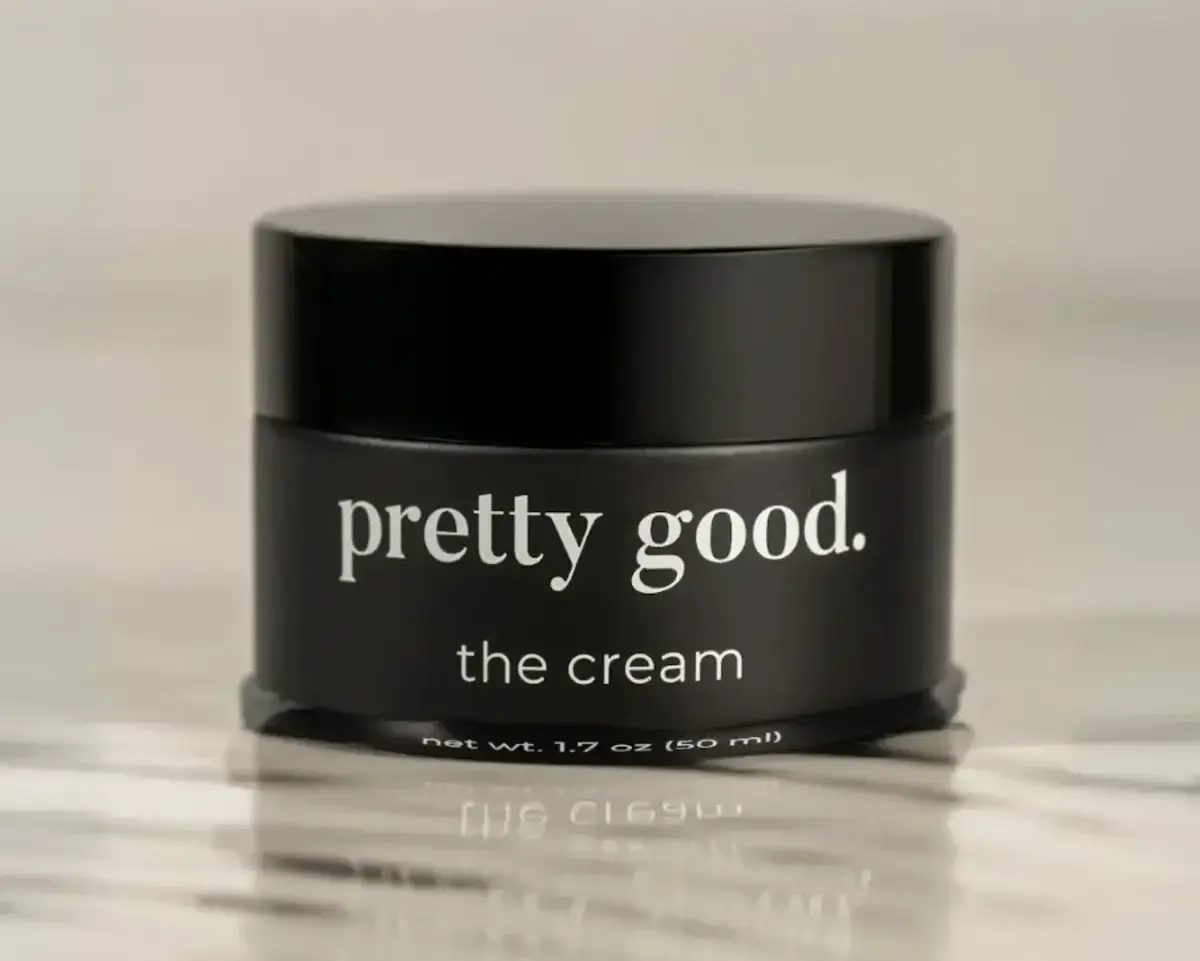
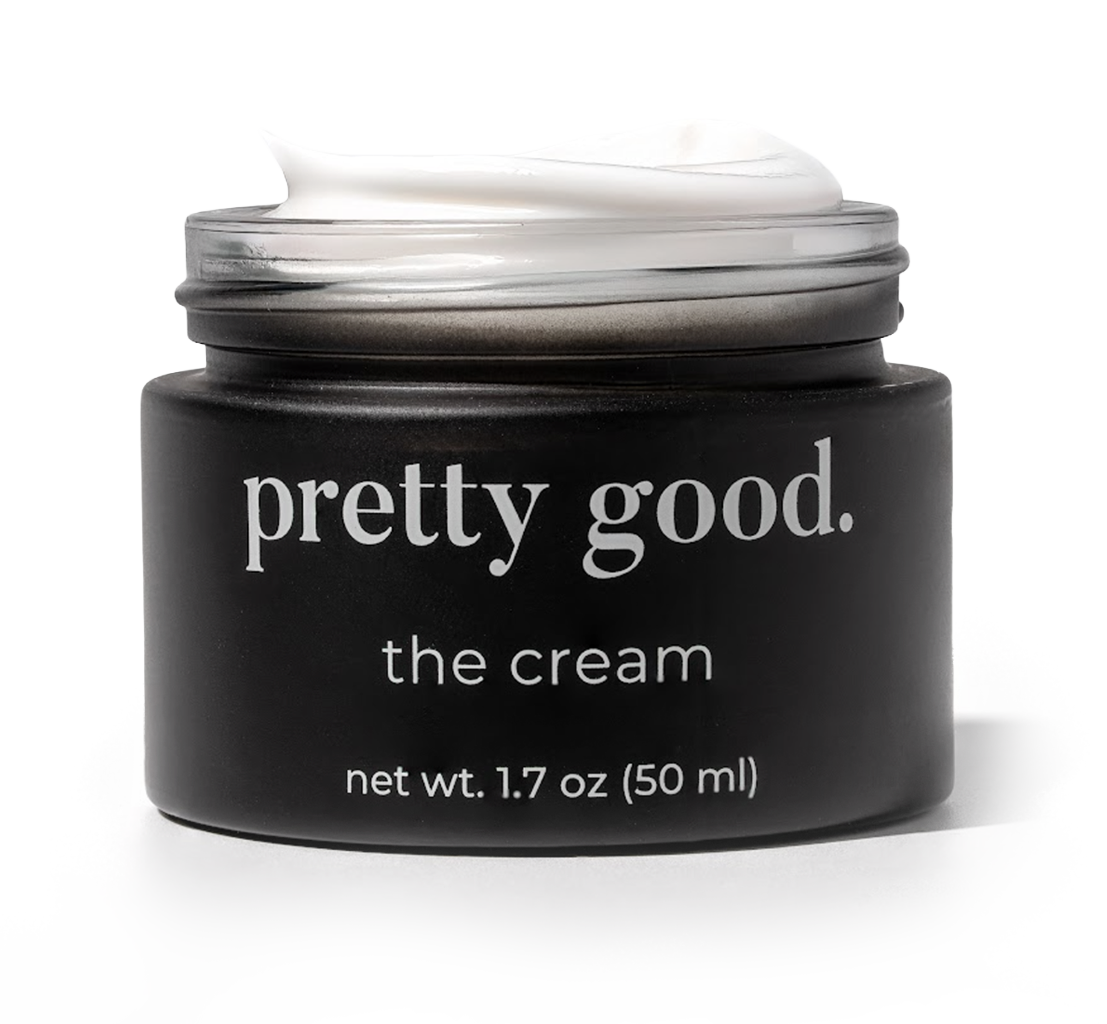
the cream does exactly this — tallow provides the biomimetically compatible lipid base, ceramides address the structural barrier, and signaling peptides support the skin's repair mechanisms. It's a complete barrier repair system built around ingredients your skin already understands.
If you're curious about tallow skincare, the cream is a good place to experience what a well-formulated tallow-based product actually feels like.
Frequently Asked Questions
Is tallow better than shea butter?
For barrier repair specifically, tallow's closer match to human sebum gives it an edge. Shea butter is an excellent ingredient — rich in stearic and oleic acid — but its fatty acid ratios differ more from sebum than tallow does. Both are far more biomimetically appropriate than petroleum-derived alternatives.
Can tallow clog pores?
It depends on your skin type. For dry and barrier-compromised skin, tallow is generally well-tolerated. For oily or acne-prone skin, the oleic acid content may contribute to congestion in some people. Patch testing is always a good idea with any new occlusive ingredient.
Is grass-fed tallow better for skincare?
Grass-fed tallow tends to have a higher concentration of fat-soluble vitamins and a more favorable fatty acid profile than grain-fed alternatives. For skincare purposes, sourcing quality matters.