How to Repair a Damaged Skin Barrier (And Keep It Healthy)
If your skin feels tight, reactive, red, or perpetually dehydrated no matter how much moisturizer you apply — your skin barrier is probably damaged. The good news: it can be repaired. The better news: once you understand what the barrier actually is and what it needs, the fix is simpler than the skincare industry would have you believe.
What Is the Skin Barrier?
Your skin barrier — technically called the stratum corneum — is the outermost layer of your skin. Think of it as a brick wall: skin cells (corneocytes) are the bricks, and a carefully balanced mixture of lipids — ceramides, fatty acids, and cholesterol — is the mortar holding everything together.
This lipid matrix does two critical jobs: it keeps moisture in and keeps irritants, bacteria, and environmental stressors out. When the mortar cracks, the wall fails. Water escapes, irritants get in, and your skin starts sending distress signals.
Signs Your Skin Barrier Is Damaged
Check how many of these apply to you:
- Skin feels tight or uncomfortable after cleansing
- Redness or blotchiness that wasn't there before
- Increased sensitivity to products you used to tolerate
- Persistent dryness or flakiness despite moisturizing
- Stinging or burning when applying skincare
- Skin looks dull or feels rough in texture
- Breakouts in areas you don't normally break out
If you checked three or more, your barrier likely needs support — not more actives, not a new serum, but targeted barrier repair.
What Actually Repairs a Damaged Barrier
Barrier repair isn't complicated, but it does require the right ingredients working together. There are three categories that matter:
1. Lipids — Rebuild the Mortar
Your barrier is made of lipids. When it's damaged, the lipid matrix is depleted or imbalanced. Replenishing it requires topical lipids that match your skin's own composition — ceramides, fatty acids (especially oleic and linoleic acid), and cholesterol. The ratio matters: research suggests a roughly 1:1:1 ratio of ceramides, fatty acids, and cholesterol is most effective for barrier restoration.
2. Humectants — Draw Water Back In
A damaged barrier loses water rapidly (called transepidermal water loss, or TEWL). Humectants like hyaluronic acid and glycerin attract water molecules and hold them in the skin. They don't repair the barrier themselves, but they address the immediate symptom of dehydration while repair happens underneath.
3. Signaling Peptides — Support the Repair Process
Peptides are short chains of amino acids that act as messengers in the skin. Certain peptides signal skin cells to produce more ceramides, collagen, and structural proteins — essentially telling your skin to repair itself. They're the most sophisticated piece of the barrier repair puzzle, and often the most overlooked.
What to Avoid While Your Barrier Heals
Barrier repair requires a temporary truce with your more aggressive skincare ingredients. While healing:
- Pause retinoids — they accelerate cell turnover, which stresses a compromised barrier
- Skip exfoliants — both physical and chemical (AHAs, BHAs) remove the cells your barrier needs
- Avoid fragrance — even natural fragrance can trigger inflammation in sensitized skin
- Use a gentle, low-pH cleanser — harsh cleansers strip the lipids you're trying to restore
- Limit hot water — it dissolves the lipid layer faster than you'd expect
A Simple Barrier Repair Routine
Morning
- Gentle rinse or low-pH cleanser
- Humectant (optional — can be skipped if your barrier cream contains one)
- Barrier repair cream — applied to slightly damp skin
- SPF (non-negotiable — UV exposure degrades the barrier)
Evening
- Gentle cleanser to remove SPF and debris
- Barrier repair cream — a slightly more generous layer at night
- Skip all actives until your barrier has recovered (typically 2–4 weeks)
How Long Does Barrier Repair Take?
With the right approach, most people notice meaningful improvement within 2–4 weeks. Full barrier restoration — where your skin returns to its baseline resilience — can take 4–8 weeks depending on how compromised it was and how consistently you support it.
The key is consistency and restraint: fewer products, better ingredients, and patience.
One Product That Does the Work
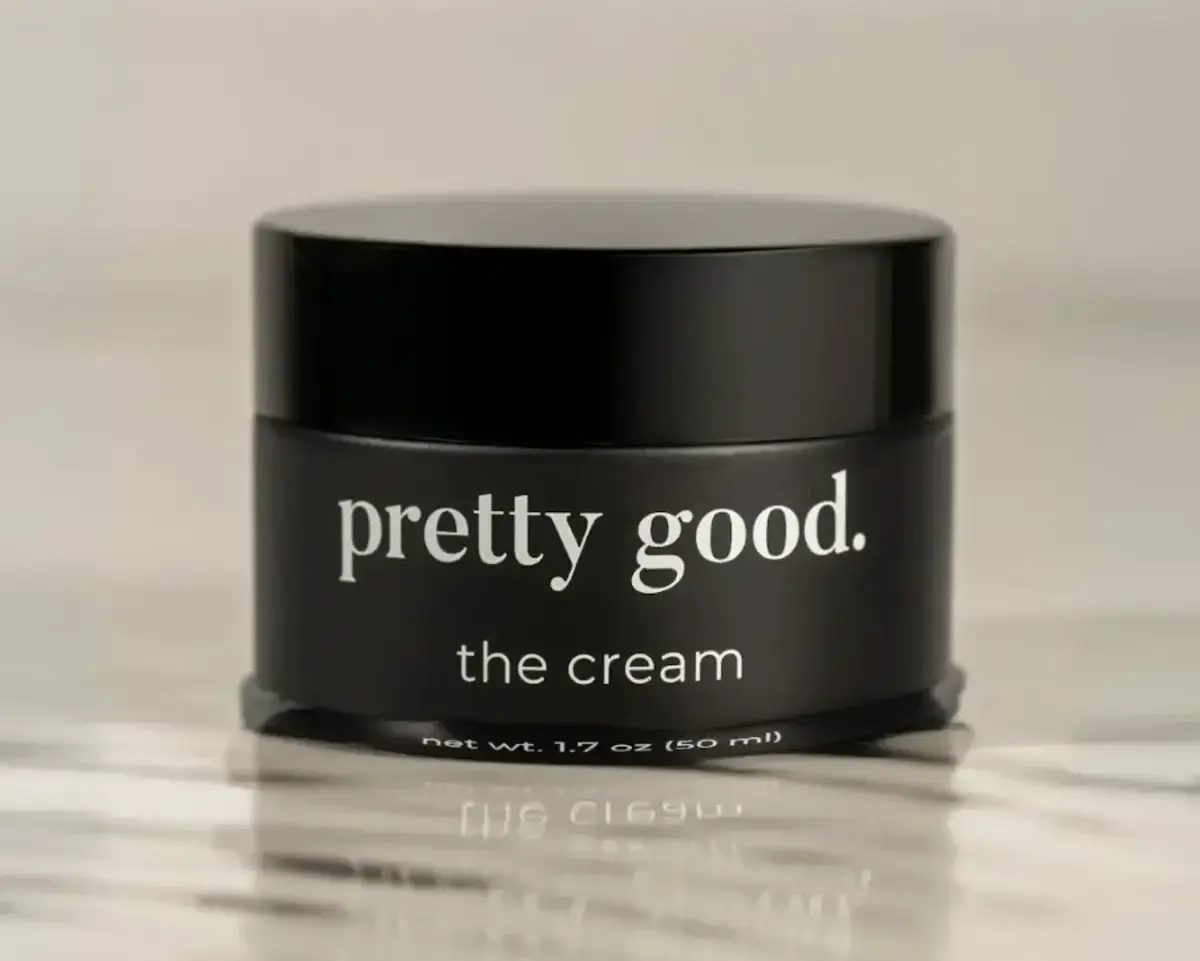
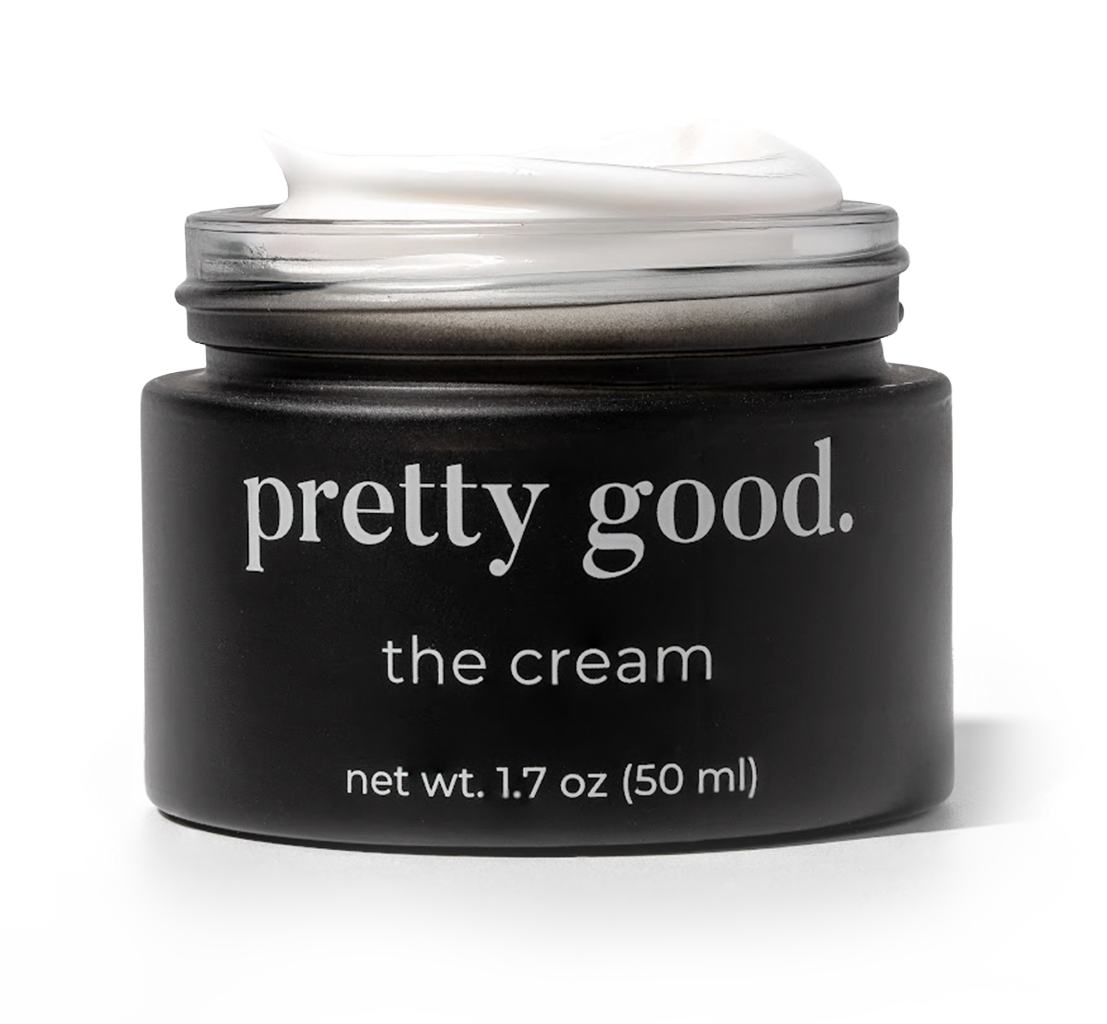
Most barrier repair routines require assembling multiple products — a ceramide moisturizer, a separate peptide serum, a humectant layer. the cream was formulated to consolidate all of this into a single step: a complete biomimetic barrier repair system with a balanced lipid complex, humectants, and signaling peptides in one formula. It works in both your morning and evening routine, and it's designed to do exactly what this article describes — restore and maintain your skin barrier function.
If you're dealing with a damaged barrier, the cream is where we'd start.
Frequently Asked Questions
Can I repair my skin barrier overnight?
Meaningful overnight improvement is possible — skin does most of its repair work while you sleep — but full barrier restoration takes weeks, not hours. You may notice your skin feels calmer and less reactive within a few days of the right routine.
What's the fastest way to repair a damaged skin barrier?
Simplify your routine immediately. Remove all actives, use a gentle cleanser, apply a lipid-rich barrier cream morning and night, and wear SPF daily. The fastest repair happens when you stop adding stress and start adding the right support.
Can drinking more water fix a damaged skin barrier?
Hydration from the inside helps, but it won't repair a structurally compromised barrier. The barrier is a lipid structure — it needs topical lipids to rebuild, not just water.
Is tallow good for skin barrier repair?
Yes — tallow's fatty acid profile closely mirrors human sebum, making it highly compatible with the skin's lipid matrix. It's one of the most biomimetically appropriate occlusive ingredients available.